Exploring Oregon's Seafood Trends: The Farm-to-Table Movement


Introduction to Oregon's Seafood Scene
Oregon's coastline stretches over 360 miles, providing a rich bounty of seafood that's a staple in the region's culinary landscape. From Dungeness crab to wild-caught salmon, the state is renowned for its fresh and flavorful seafood offerings. In recent years, the farm-to-table movement has significantly influenced how seafood is sourced and enjoyed in Oregon.

The Farm-to-Table Movement
The farm-to-table movement emphasizes sourcing ingredients directly from local producers to ensure freshness and sustainability. This approach has gained traction across various food sectors, including seafood. In Oregon, chefs and restaurateurs are increasingly partnering with local fishermen to bring the freshest catch straight to diners' plates.
This trend not only supports local economies but also promotes environmentally responsible fishing practices. By reducing the distance seafood travels from ocean to table, the movement minimizes the carbon footprint associated with transportation.
Benefits of Farm-to-Table Seafood
The farm-to-table approach offers numerous benefits, including:
- Freshness: Seafood is served at its peak flavor and nutritional value.
- Sustainability: Encourages responsible fishing and helps maintain fish populations.
- Community Support: Strengthens local economies by supporting local fishermen and businesses.
Oregon's Unique Offerings
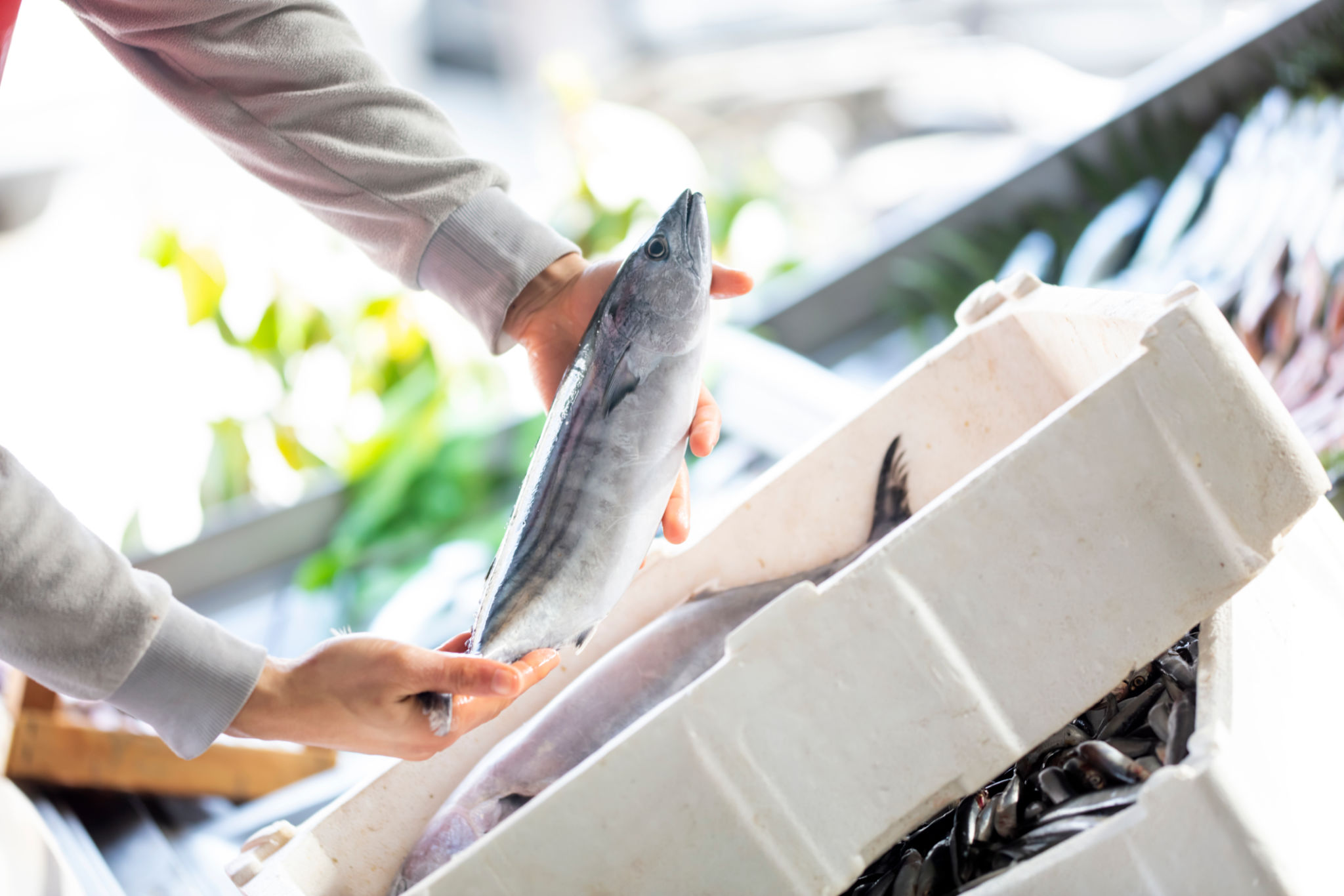
Oregon's diverse marine ecosystem provides a wide variety of seafood options that are perfect for farm-to-table dining. Some of the most popular choices include:
- Dungeness Crab
- Wild-Caught Salmon
- Albacore Tuna
- Pacific Oysters
Each of these offerings is celebrated for its distinct flavor and quality, making them a favorite among locals and tourists alike.
Embracing Local Flavors
Chefs across Oregon are embracing local flavors by incorporating native ingredients into their seafood dishes. This not only enhances the taste but also highlights the unique culinary heritage of the region. Many establishments create seasonal menus that reflect the freshest available seafood, ensuring a dynamic dining experience.

Challenges and Future Trends
While the farm-to-table movement has undeniably positive impacts, it also faces challenges. The availability of specific seafood types can be affected by weather conditions and environmental factors. Moreover, maintaining sustainable practices requires continuous effort and collaboration among all stakeholders in the supply chain.
Looking ahead, the future of farm-to-table seafood in Oregon appears promising. Increasing consumer awareness and demand for sustainable dining options are likely to drive further innovation and commitment to responsible sourcing.
Conclusion
Exploring Oregon's seafood trends through the lens of the farm-to-table movement reveals a vibrant and evolving culinary scene. By prioritizing freshness, sustainability, and local support, the state is setting a benchmark in seafood excellence. Whether you're a resident or a visitor, indulging in Oregon's seafood is an experience not to be missed.