How The Red Snapper Brings Fresh Coastal Flavors from Ocean to Plate


The Journey of the Red Snapper
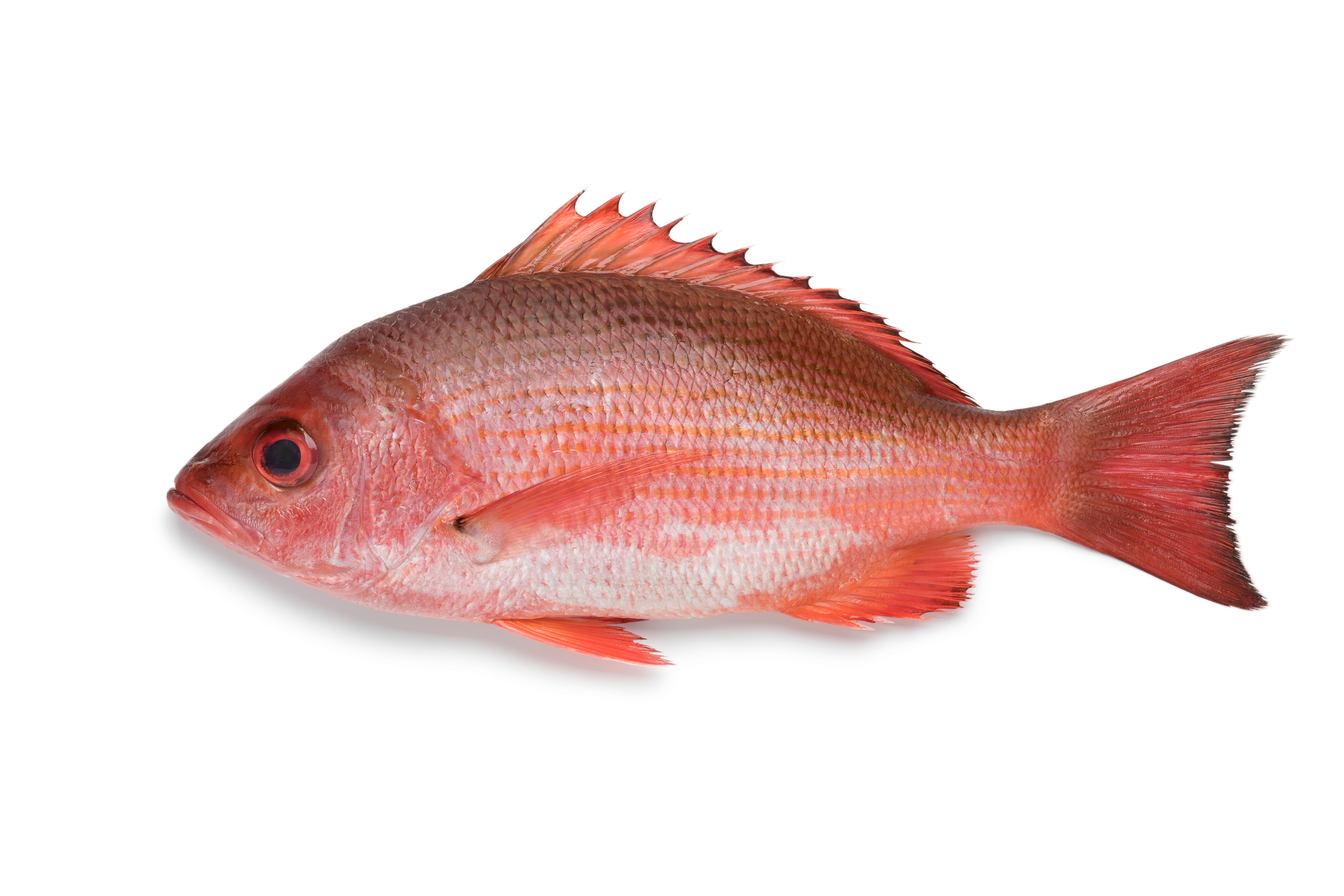
The red snapper is a beloved fish known for its vibrant color and delicate flavor. Found in the warm waters of the Gulf of Mexico and the southeastern Atlantic coast, this fish is a staple in many coastal cuisines. Its journey from ocean to plate is a testament to sustainable fishing practices and culinary tradition.
Red snapper is not only celebrated for its taste but also for its versatility. Whether grilled, baked, or pan-seared, this fish consistently delights seafood lovers. Its mild, slightly sweet flavor pairs well with a variety of spices and sauces, making it a favorite among chefs and home cooks alike.
From Ocean to Market
The journey begins with responsible fishing practices. Fishermen use methods that ensure the sustainability of red snapper populations, adhering to regulations that protect marine ecosystems. These practices are crucial in maintaining healthy fish stocks and supporting coastal communities.
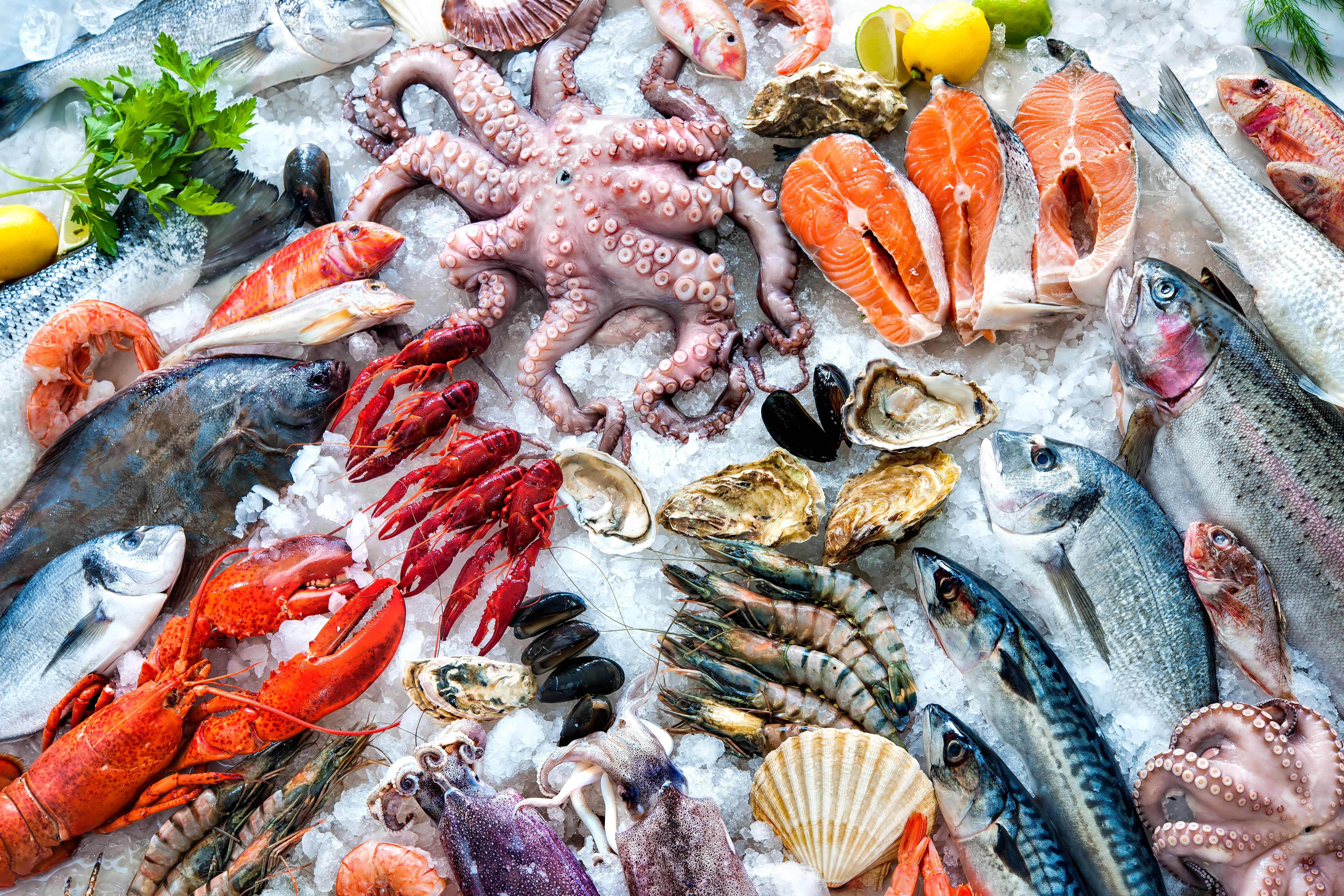
Once caught, the red snapper is quickly transported to local markets. Ensuring freshness is key, as it preserves the natural flavors and texture of the fish. Many coastal markets pride themselves on offering freshly caught red snapper, attracting seafood enthusiasts from near and far.
The Culinary Experience
Red snapper's culinary appeal is unmatched. Its firm texture and mild flavor make it a versatile ingredient in a variety of dishes. From ceviche to roasted fillets, the possibilities are endless. Chefs often highlight its natural taste with simple seasonings like lemon, garlic, and herbs.
For those looking to try red snapper at home, it offers an easy introduction to cooking seafood. A simple preparation might include a light marinade followed by grilling or baking, allowing the fish to shine as the centerpiece of the meal.

Health Benefits and Nutritional Value
Beyond its taste, red snapper is also a source of essential nutrients. Rich in protein and omega-3 fatty acids, it supports heart health and provides a balanced diet. Including red snapper in your meals can contribute to overall well-being.
In addition to its nutritional benefits, red snapper is low in calories and high in essential vitamins and minerals. It fits well into a variety of dietary preferences, making it a popular choice for health-conscious individuals.

Contributing to Coastal Communities
The red snapper industry plays a significant role in supporting coastal economies. Fishing provides jobs and sustains local businesses, creating a ripple effect that benefits entire communities. By choosing red snapper, consumers can support sustainable practices and local livelihoods.
Many restaurants and seafood suppliers emphasize their commitment to sourcing locally and sustainably. This not only ensures quality but also fosters a connection between consumers and the communities that bring this delicious fish to their tables.

Conclusion
The red snapper’s journey from ocean to plate is a story of tradition, sustainability, and culinary delight. Its fresh coastal flavors continue to captivate palates around the world, offering a taste of the sea that is both delicious and responsible. Whether enjoyed at home or in a restaurant, the red snapper remains a cherished delicacy that brings people closer to the ocean and its bounty.