Top 5 Myths About Seafood Dining Debunked


Introduction
When it comes to seafood dining, there are plenty of myths floating around that can influence our choices and perceptions. These myths can lead to misconceptions about the quality, safety, and environmental impact of consuming seafood. In this post, we’ll debunk the top five myths about seafood dining to help you make informed and delicious choices.
Myth 1: Seafood Is Always Expensive
One common misconception is that dining on seafood is a luxury that breaks the bank. While it's true that certain types of seafood can be pricey, there are plenty of affordable options available. Seasonal and local seafood often comes at a lower cost due to lower transportation expenses and abundant supply.

Additionally, many seafood restaurants offer a variety of dishes at different price points, allowing you to enjoy a delicious meal without overspending. Exploring different types of fish and shellfish can also lead to discovering more budget-friendly options.
Myth 2: Seafood Is Difficult to Cook
Another myth is that seafood is tricky and time-consuming to prepare. In reality, seafood is one of the quickest and easiest proteins to cook. Most fish and shellfish require minimal seasoning and can be cooked in just a few minutes using simple methods like grilling, steaming, or pan-searing.
Many online resources and cooking classes are available to help beginners master seafood preparation. With a little practice, you can create restaurant-quality dishes at home with ease.

Myth 3: All Seafood Is Unsafe Due to Mercury
Concerns about mercury levels in seafood can deter people from enjoying it. However, not all seafood contains high levels of mercury. Moderation and variety are key. Fish like salmon, shrimp, and tilapia are low in mercury and can be consumed safely.
The FDA and EPA provide guidelines on safe consumption levels, helping you enjoy seafood while minimizing risk. Eating a diverse range of seafood can ensure a healthy balance of nutrients and minimize exposure to contaminants.
Myth 4: Farmed Seafood Is Inferior
Some believe that farmed seafood is of lower quality compared to wild-caught varieties. However, advances in aquaculture have significantly improved the quality and sustainability of farmed seafood. Today, many farmed options are environmentally friendly and responsibly managed.
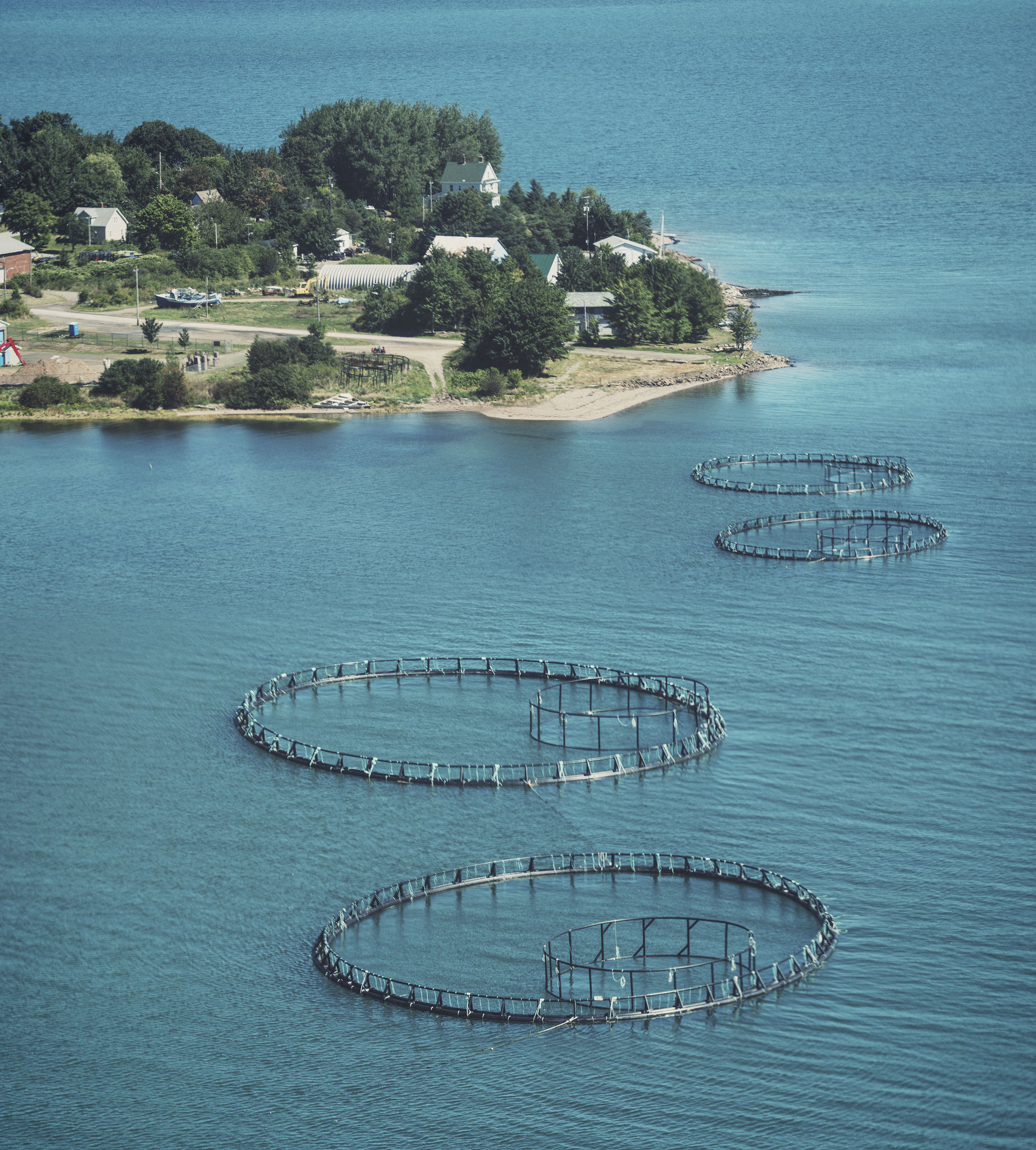
Farmed seafood can offer consistent quality and availability, making it a reliable choice for consumers. When choosing farmed seafood, look for certifications indicating responsible farming practices to ensure you are making a sustainable choice.
Myth 5: Seafood Is Not Environmentally Sustainable
There is a misconception that consuming seafood always harms the environment. In reality, many fisheries and farms follow sustainable practices to protect marine ecosystems. Certifications and labels like the Marine Stewardship Council (MSC) can guide you towards sustainable choices.
Supporting responsible fisheries and farms helps promote environmental conservation and ensures future generations can enjoy seafood too. By staying informed and choosing certified products, you can enjoy seafood dining while supporting sustainability.
Conclusion
Debunking these myths can help you enjoy seafood dining with confidence. From affordability to sustainability, understanding the facts allows you to make informed decisions that benefit both your health and the environment. So, next time you plan a meal, consider adding seafood to your menu, and savor the diverse flavors and benefits it offers.